You can use ANY format you like to complete the project. If you are stuck for picking a topic you can click on this THIS LINK to see what is available and who is doing which topic.
Weekly Question: Why might different groups in Canada view the events, trends or developments between 1914 and 1929 in different ways?
Sep 7th
Here are some hints for the thought process you should be developing in order to study History:
WHY...is it important or significant?
WHAT...led to this? ...happened as a result of this?
HOW...did this cause things to change? ...did things stay the same despite this?
EXPLAIN the attitudes and social norms at the time to provide historical context.
Sep 8th
Primary Sources: What are these?
We will look at sources for WWI, Suffrage, Winnipeg General Strike, 1920s Good Times -- What do we discover when we look at these sources using the Historical Perspectives.
How does it all connect? WWI and the Russian revolution - Communism and fear in Winnipeg
How would the Government/Owners and Working class people view the Winnipeg Strike? (THINK Historically Perspective prompts)
Sep 9th
Choose your project topic. Brainstorm the types of questions and things you should be looking for.
Sep 12th
Sep 12th
Weekly Question: What was the most significant short- and long-term consequence of Canadians’ participation in International affairs between 1914 and 1929? Justify your response.
We are looking at the M.A.I.N. causes of World War One today (Militarism, Alliances, Imperialism and Nationalism)
Here are some images you will need to look at today in your table groups.
This first image is called the "Chain of Friendship" and it depicts what would happen in the event of a crisis in Europe.



Sept 22nd
Use this slideshow of Unit 1 in Pictures to complete the work for today's class.
Take 10-15 minutes to outline what you still need to do on your project.
Rank these items in order of importance.
We are looking at the M.A.I.N. causes of World War One today (Militarism, Alliances, Imperialism and Nationalism)
Here are some images you will need to look at today in your table groups.
- Please analyse each of these sources using the historical perspectives (see above for hints) and make a list of the consequences of Canada’s participation in WWI.
- Explain/justify each consequence. Think Short-term and Long-term.
- Make connections to your own projects.
This first image is called the "Chain of Friendship" and it depicts what would happen in the event of a crisis in Europe.
Here is an example of Militarism in Europe prior to WWI:
Here is a map of the European Alliance systems in place right before war broke out.
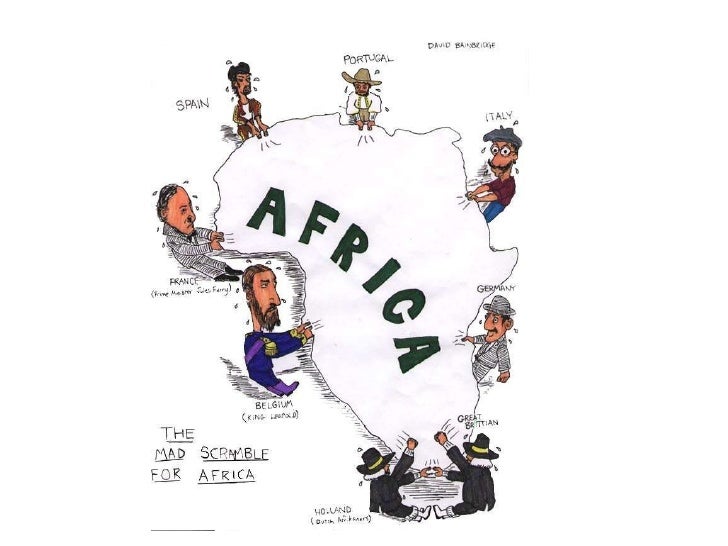
Here is a typical example of Imperialism:
This short video is an example of Nationalism in WWI
This flowchart really sums it all up nicely. Start by looking in the centre and follow the arrows in each direction.

Can you make any connections between your projects and these events? You should be trying to make connections this week by referring to Communities, Conflict, and Cooperation.
Use this slideshow of Unit 1 in Pictures to complete the work for today's class.
Choose FIVE images that relate to your topic, then analyse them and figure out the 5Ws for each one.
Take 10-15 minutes to outline what you still need to do on your project.
Rank these items in order of importance.
________________________________________________________________
Here is a link to the notes from today's class.
Sep ?
Weekly Question: In your opinion, which event or person between 1914 and 1929 most led to the development of a unique Canadian identity? Justify your response.
REMINDER: Your test, based on the answers to your three weekly questions will be on Friday Sep 30th.
Here is a link to the documents on The Greatest Canadians from 1914-1929 for the period 2 and the period 3 classes. You have the ability to edit these docs using your school email address as a login.
Sep ?
Here is a link to the slide show used to introduce today's activity about hiring practices and immigration.
Sep ?
If anyone is interested...here is a link to the rubric I will be using for the project. Sorry for the delay!
No comments:
Post a Comment